
Modern organizations operate in a landscape where speed, precision, and resource allocation directly govern profit margins. Streamlining day-to-day activities is no longer just a strategy for marginal gains; it is a fundamental requirement for long-term survival. When workflows stutter, labor costs inflate, material waste escalates, and project schedules drift. Achieving peak efficiency requires a holistic approach that connects core production tasks, facility maintenance, regulatory logistics, and resource management into a well-oiled system.
To transform complex business operations, leaders must analyze every touchpoint of their value chain. This involves scrutinizing how materials enter a facility, how specialist labor is scheduled, and how auxiliary assets like waste systems and security protocols are maintained. By systematically removing friction from every layer of daily execution, enterprises can protect their bottom line while delivering consistent, high-quality results to clients.
Optimizing Procurement and Supply Chain Logistics

A major operational bottleneck stems from poor raw material intake and vendor misalignment. Production lines frequently stall when essential inputs are delayed or do not meet exacting quality standards. Eliminating procurement lag requires establishing clear technical specifications, working with specialized vendors, and implementing real-time inventory management systems.
Partnering with Specialized Material Distributors
Standard vendors often lack the stock depth or specialized knowledge needed for heavy-duty applications. Working alongside industrial plywood suppliers guarantees access to specific load-bearing grades, moisture-resistant sheets, and custom-cut dimensions needed for immediate assembly.
-
Establish recurring delivery windows based on actual consumption rates rather than estimated projections to prevent site clutter.
-
Implement digital intake inspections to verify material grade, thickness, and moisture levels before stocking warehouse shelves.
-
Maintain direct communication lines with distributor reps to get advance notice on supply chain delays or material price shifts.
-
Negotiate strategic volume discounts and staging agreements to keep critical raw stock available without overextending local warehousing storage capacity.
Streamlining Custom Manufacturing Sourcing
When projects demand tailored structural components, off-the-shelf parts fail to fit or require extensive on-site modification. Engaging a custom metal fabrication company early in the design process helps align technical blueprints with actual manufacturing capabilities.
-
Standardize architectural blueprints and mechanical drawings to reduce request-for-quote revision cycles.
-
Utilize computerized cutting, punching, and welding schedules to minimize material scrap during production.
-
Request pre-assembled or pre-drilled components from your primary supplier to save labor hours during field installation.
-
Share quarterly demand forecasts with manufacturing partners to ensure essential shop time and specialized tooling are reserved well in advance.
Aligning Subcontractor Schedules with Project Milestones
Complex jobs require multi-trade coordination, which can quickly turn chaotic without synchronized timelines. Coordinating specialized subcontractors ensures that sequential tasks like wiring, framing, and mechanical installs occur without costly overlaps.
-
Deploy shared digital scheduling dashboards so all trades can track real-time site readiness.
-
Define precise handoff procedures between structural builds and specialized mechanical installations.
-
Conduct weekly operational syncs to reallocate labor dynamically if one phase faces unexpected delays.
-
Set up clear performance metrics and milestone-based sign-offs to guarantee accountability across every external service contractor on site.
Elevating On-Site Equipment and Machinery Performance
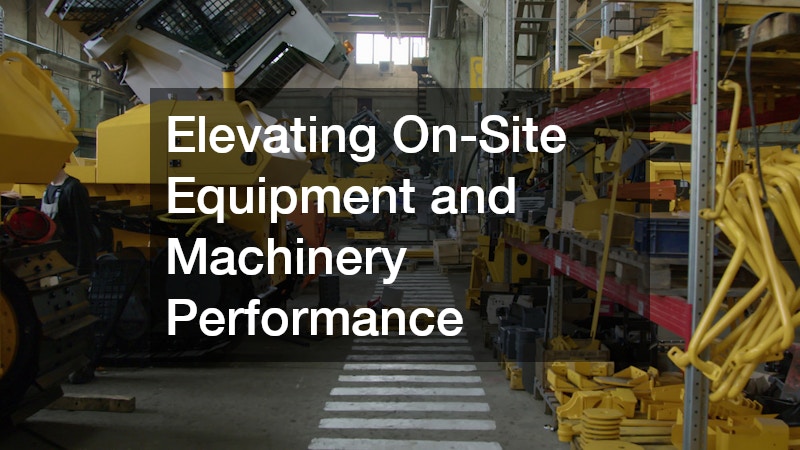
Workplace efficiency drops significantly when machinery fails unexpectedly or operates below peak performance. Downtime directly degrades labor productivity and inflates emergency repair costs. A proactive approach to equipment maintenance keeps production moving smoothly and extends the operational lifespan of expensive capital assets.
Accelerating System Maintenance for Heavy Machinery
Fluid systems drive the heavy equipment used in manufacturing, construction, and transport. Scheduling routine hydraulic repair prevents catastrophic line ruptures, maintains proper operating pressure, and reduces power consumption.
-
Perform periodic fluid analysis to detect microscopic metal shavings or chemical contamination before seals fail.
-
Train machine operators to conduct daily visual inspections of hoses, valves, and fluid reservoirs.
-
Keep critical wear items like high-pressure seals, O-rings, and spare fluid filters stocked directly on the shop floor.
-
Implement automated temperature and pressure sensors across main lines to alert mechanics to minor drops before total system shutdown occurs.
Upgrading Specialized Industrial Metal Operations
Precision shaping, bending, and cutting require well-calibrated equipment and experienced technicians. Outsourcing niche tasks to third-party metalwork services allows internal teams to focus on core assembly while ensuring structural parts meet exact tolerances.
-
Conduct joint process reviews with third-party fabricators to identify design modifications that lower production time.
-
Leverage specialized secondary processes like laser cutting, powder coating, and heat treatment without investing in heavy capital equipment.
-
Consolidate part orders into larger production runs to take advantage of volume pricing and reduce setup overhead.
-
Establish stringent incoming quality control benchmarks to verify dimensions and structural integrity prior to downstream integration.
Maintaining Facility Access Points and Logistics Doors
High-traffic doors in distribution centers and manufacturing plants are frequently damaged or neglected. Fast-tracking industrial overhead door repairs ensures that loading docks, climate-controlled bays, and internal security zones remain functional.
-
Install high-speed automatic sensors on high-use doorways to reduce fork truck wait times and maintain climate control.
-
Conduct quarterly track realignments, cable inspections, and motor checks to prevent sudden door jams.
-
Partner with local emergency service crews who guarantee rapid response times for sudden mechanical lockouts.
-
Educate forklift drivers and transport operators on dock protocols to minimize vehicle collisions with structural frames and tracks.
Modernizing Facility Operations and Infrastructure
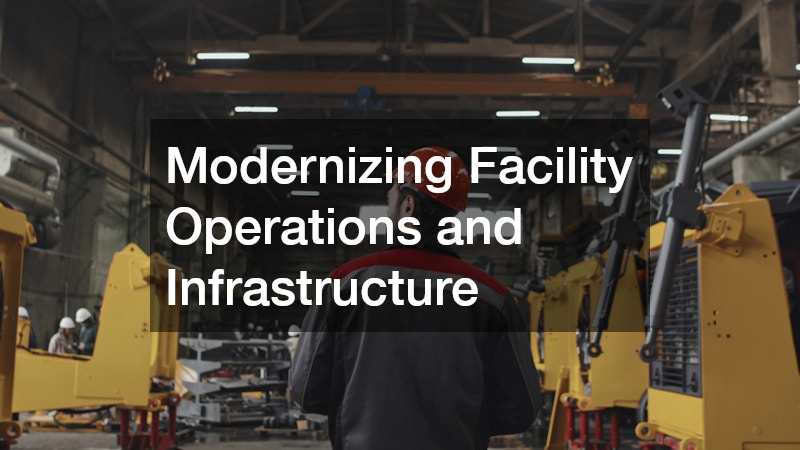
The physical infrastructure housing an enterprise plays a massive role in overall efficiency. Outdated electrical systems, improper waste management, and inefficient structural layouts quietly drain resources every single day. Modernizing facility management translates directly to higher safety ratings and reduced utility costs.
Enhancing Power Reliability and Electrical Safety
Commercial facilities require stable power delivery to run heavy machinery, automation lines, and extensive IT infrastructure. Hiring a commercial electrician to audit power grids helps identify phase imbalances, overloaded breakers, and inefficient lighting systems.
-
Upgrade older lighting configurations to automated LED systems equipped with motion sensors to cut idle power draw.
-
Conduct thermographic surveys on electrical panels to identify hot spots and pending component failures before outages occur.
-
Install dedicated circuit systems for high-draw equipment to protect sensitive digital electronics from voltage spikes.
-
Establish structured energy monitoring regimes across peak usage hours to balance grid draw and lower utility peak-demand surcharges.
Systematizing Commercial Trash and Recycling Processes
Waste management is often viewed as a simple utility expense, but unorganized waste creates physical hazards and inflates operational fees. Implementing structured commercial waste management programs keeps work bays clear and lowers hauling costs.
-
Place clear visual signage and dedicated disposal bins directly at workstations where waste is generated.
-
Schedule dumpster pulls based on actual capacity monitoring rather than arbitrary calendar dates to eliminate unnecessary haul fees.
-
Compact bulk trash materials like cardboard and light plastics on-site to minimize total waste volume.
-
Audit monthly waste streams to identify reusable materials, cut excess packaging inputs, and streamline overall removal logistics.
Turning Scrap Metal into Operational Revenue
Metal turnings, off-cuts, and retired machinery parts quickly clutter shop floors, creating safety hazards and wasting valuable floor space. Partnering with a specialized scrap metal recycling company converts structural waste into a steady stream of secondary income.
-
Separate ferrous and non-ferrous metals at the source using color-coded hoppers to maximize payout values per pound.
-
Implement automated conveyor or magnetic collection systems under CNC machines to collect metal shavings instantly.
-
Request lockable rolling hoppers from your recycling vendor to keep collection areas clean, safe, and easily transportable.
-
Monitor market commodity pricing closely to timing bulk scrap pickups when metal valuation spikes, boosting net rettime
Streamlining Administrative and Compliance Workflows

Administrative delays can cripple project start dates, stall onboarding, and disrupt supply chains just as easily as physical bottlenecks. Automating compliance routines, identity verification, and documentation helps businesses maintain operational momentum without adding administrative headcount.
Accelerating Employee Verification and Security Clearance
Onboarding field staff, security personnel, and contractors often stalls during background checks. Utilizing mobile fingerprinting services brings certified identity verification directly to your job site or headquarters, bypassing long administrative delays.
-
Onboard entire cohorts of new hires or specialized subcontractors simultaneously during off-site orientation sessions.
-
Ensure full compliance with federal and state security guidelines without requiring staff to travel to off-site testing facilities.
-
Digitalize biometric record submission to shrink background clearance processing times from weeks to days.
-
Integrate biometric intake records directly with human resource information systems to eliminate manual data entry errors.
Expanding Outsourced Fabrication Capabilities
Internal operations often lack the specialized equipment, certifications, or floor space needed to produce complex custom builds. Utilizing specialized fabrication services provides scalable manufacturing capacity without the heavy overhead of facility expansion.
-
Transition low-volume or highly technical component production to specialized external shops equipped with advanced machinery.
-
Benchmark internal manufacturing costs against external production quotes to identify areas where outsourcing saves money.
-
Standardize material orders through external partners to leverage their bulk buying power on raw stock.
-
Build agile overflow agreements with third-party fabricators to absorb sudden spikes in market demand without straining internal staff.
Digitizing Standard Operating Procedures Across Departments
Paper manuals and physical sign-off sheets slow down everyday operations and create tracking errors. Moving documentation into accessible digital repositories keeps staff aligned and speeds up daily workflows.
-
Convert complex written manuals into visual step-by-step guides accessible on field tablets.
-
Use digital checklists with compulsory photo uploads to verify task completion before moving to the next project phase.
-
Centralize equipment maintenance logs so field staff can instantly review service histories and flag issues.
-
Standardize document version control settings across cloud networks so technicians always work from current engineering schematics.
Integrating Advanced Technology and Automation
Modern technology offers unprecedented tools for optimizing work processes, tracking assets, and reducing human error. Integrating targeted digital solutions into existing shop floors and service models drives productivity across every shift.
Deploying Internet of Things Sensors for Asset Tracking
Tracking high-value tools, raw inventories, and mobile machinery across large plants wastes countless labor hours. Integrating smart tracking systems brings total visibility to asset movement and equipment utilization.
-
Attach durable tracking tags to shared shop tools, machinery attachments, and transport crates for instant real-time locating.
-
Analyze usage telemetry to identify underutilized capital equipment and consolidate machinery fleets where appropriate.
-
Trigger automatic maintenance tickets when equipment logs fixed hours of active runtime to ensure timely servicing.
-
Establish virtual boundary zones that alert facility managers when high-value tools exit designated operational areas.
Leveraging Automated Workflow Engine Protocols
Manual approvals, paper purchase requests, and disconnected email chains create administrative friction that halts operations. Automating routine office tasks frees management teams to focus on strategic execution.
-
Automate invoice matching by linking purchase orders, receiving slips, and vendor billings inside unified ERP platforms.
-
Implement digital sign-off workflows for work orders, ensuring field supervisors approve job changes instantaneously.
-
Set up automated reorder triggers for standard shop consumables, ensuring hardware and safety gear never drop below safety margins.
-
Streamline customer status notifications with automated tracking links, reducing inbound support calls to front office staff.
Cultivating an Operational Improvement Mindset
Implementing new processes, purchasing better tools, and hiring specialized vendors will yield limited results if the workplace culture does not prioritize efficiency. Operational excellence is not a one-time project; it is a continuous practice driven by every employee in the organization.
Empowering Frontline Workers to Identify Waste
Line workers and field technicians encounter operational friction long before upper management notices it. Creating open channels for employees to highlight bottlenecks turns front-line experience into actionable improvements.
-
Run monthly continuous improvement sessions where workers can point out inefficient steps in their daily routines.
-
Implement a structured reward system that compensates team members whose operational ideas save measurable time or resources.
-
Encourage cross-department shadowing so employees understand how their output affects downstream workflows.
-
Provide workers with basic problem-solving frameworks like root-cause analysis to help them diagnose operational bottlenecks independently.
Establishing Meaningful Key Performance Indicators
You cannot manage what you do not measure. Tracking relevant performance metrics gives leaders direct visibility into operational health, making it easy to identify where workflows stall.
-
Track equipment overall effectiveness to measure how well machinery runs relative to its designed capacity.
-
Monitor cycle times for core tasks to establish realistic project baselines and catch process drift early.
-
Calculate material utilization rates to identify unnecessary scrap and refine raw inventory purchases.
-
Benchmark first-pass yield statistics to measure production quality and minimize the need for labor-intensive rework.
Standardizing Process Reviews and Iteration Cycles
Business environments, customer demands, and supply chains change constantly. Processes that were efficient two years ago may now cause major bottlenecks if left unexamined.
-
Conduct quarterly audits of operational workflows to eliminate outdated steps and redundant sign-offs.
-
Benchmark current performance against direct industry competitors and best-in-class operating standards.
-
Update standard operating procedures immediately whenever new machinery, vendors, or tools are introduced.
-
Schedule regular cross-functional post-mortems after major project completions to document lessons learned and refine standard procedures.
Building a Frictionless Enterprise
Maximizing operational efficiency requires a comprehensive approach across every layer of an enterprise. By upgrading physical infrastructure, maintaining critical machinery, automating administrative friction, and leveraging expert external vendors, organizations build resilient systems that adapt to shifting demands.
Removing daily friction frees up labor hours, lowers overhead expenses, and improves product and service quality. Companies that continuously refine their internal workflows, optimize material sourcing, and eliminate waste protect their operating margins while laying a foundation for sustainable growth. Operational excellence is achieved step by step through deliberate, consistent improvements across every department.
About the Author