Businesses today face an increasingly competitive environment shaped by rapid technological advancements, evolving customer expectations, and changing industry demands. Staying ahead requires more than traditional management practices; companies must adopt modern business solutions that improve productivity, strengthen customer relationships, reduce operational costs, and support long-term growth. From artificial intelligence (AI) and cloud-based platforms to cybersecurity systems and sustainable business practices, innovative tools and strategies are reshaping how organizations operate. As businesses prepare for 2026 and beyond, identifying the right solutions can help them remain agile, competitive, and better equipped to navigate emerging challenges.
The shift toward smarter business operations goes beyond adopting the latest technology. It involves finding practical ways to improve workflows, make informed decisions, protect sensitive information, and respond more effectively to market changes. AI-powered automation can simplify repetitive tasks, digital payment platforms can improve transaction convenience, and cloud-based tools can help teams collaborate more efficiently. Meanwhile, growing emphasis on sustainability, data security, and customer experience is encouraging businesses to rethink established processes and invest in solutions that create lasting value. These developments are making digital transformation and strategic innovation increasingly important across industries.
Companies of all sizes and sectors can benefit from these advancements, whether they operate in manufacturing, professional services, retail, agriculture, construction, or other specialized industries. Small businesses can use automation and digital accounting tools to simplify daily operations, while larger organizations can implement advanced analytics, integrated systems, and scalable infrastructure to improve performance. Even businesses in traditionally hands-on industries, such as recycling, equipment manufacturing, agricultural services, and property-related services, can adopt modern tools to improve efficiency, expand their reach, and respond to changing customer needs. The key is selecting solutions that address real operational challenges rather than investing in technology simply because it is trending.
As organizations look toward the years ahead, the most effective strategies will combine innovation, adaptability, and practical implementation. Exploring the latest business solutions can help leaders identify opportunities to streamline processes, strengthen security, improve customer satisfaction, and build more resilient operations. From emerging technologies to sustainable practices and smarter management tools, the right investments can support measurable improvements and position businesses for continued success.
AI-Powered Automation Tools
Artificial intelligence (AI) is no longer a futuristic concept — it’s a fundamental part of modern business operations. AI-powered automation tools allow companies to streamline repetitive processes, reduce human error, and increase overall productivity. From scheduling and data entry to predictive analytics and customer communication, automation creates efficiency that frees up employees to focus on higher-value tasks.
For junk removal businesses, AI technology is transforming how operations are managed. Route optimization software, powered by machine learning, can automatically plan the most efficient pickup paths, reducing fuel costs and improving turnaround time. AI-driven scheduling systems can also analyze customer demand trends to allocate staff and vehicles effectively. Additionally, automated billing and digital booking systems provide customers with quick, seamless service while minimizing administrative work.
This year and beyond, AI will continue to help businesses cut costs, enhance decision-making, and deliver faster, smarter services. Whether through chatbots that handle inquiries or systems that predict maintenance needs before they arise, automation is a game-changer for operational efficiency.
Cloud-Based Collaboration Platforms
The rise of hybrid and remote work has made cloud-based collaboration tools indispensable. These platforms allow teams to share files, communicate, and manage projects in real time from anywhere in the world. Beyond simple convenience, they enhance transparency, accountability, and workflow continuity — all of which are essential for growing companies.
For photography companies, cloud-based collaboration platforms have revolutionized how creative teams work. Photographers can upload, edit, and share high-resolution images instantly with clients or team members, no matter where they are located. Cloud storage also ensures that valuable photo archives are safely backed up and accessible when needed. By using cloud tools integrated with editing software, photographers can collaborate with designers, marketing teams, and clients seamlessly, streamlining every stage of a project.
Cloud collaboration is expected to become even more advanced, incorporating AI for content management and real-time editing suggestions. For any business that depends on teamwork and creative sharing, cloud systems are now a must-have.
Sustainable Business Practices
Sustainability is no longer optional — it’s a responsibility. Customers and governments alike are demanding eco-friendly operations and reduced environmental footprints. Businesses that adopt sustainable practices are not only contributing to the planet’s well-being but also appealing to a growing base of environmentally conscious consumers.
Companies offering agricultural propane services are a great example of sustainability in action. Propane is a clean-burning, efficient energy source that reduces emissions compared to traditional fuels. By helping farmers switch to propane-powered irrigation systems, grain dryers, and heating equipment, these businesses are promoting both sustainability and cost savings. Furthermore, many agricultural service providers are integrating renewable energy systems and emission tracking to meet regulatory and customer expectations.
Incorporating green initiatives — such as energy-efficient lighting, recycling programs, and eco-friendly logistics — can improve brand image and profitability. Sustainability will remain one of the most important benchmarks of modern business success.
Data-Driven Decision Making
In today’s information-rich environment, data is one of the most valuable assets a business can have. Data-driven decision making allows companies to analyze patterns, measure performance, and predict future trends. Instead of relying on guesswork, leaders can use hard data to guide everything from marketing strategies to resource allocation.
Scrap recycling businesses have embraced this approach to maximize efficiency and profitability. By analyzing data on incoming materials, recycling rates, and commodity prices, they can predict demand fluctuations and adjust operations accordingly. Data analytics also helps track environmental impact, ensuring compliance with recycling regulations while identifying areas for improvement.
Businesses that use analytics platforms can gain insights into customer behavior, inventory trends, and financial health. As artificial intelligence becomes more integrated with data systems, predictive analytics will help companies anticipate market changes and make smarter, faster decisions. In a competitive world, those who understand their data best will lead their industries.
Cybersecurity and Privacy Solutions
With increased digital connectivity comes the growing threat of cyberattacks. Protecting data, networks, and customer information is essential to maintaining trust and avoiding financial loss. Cybersecurity and privacy solutions, such as encrypted communication, multi-factor authentication, and continuous network monitoring, have become vital to modern operations.
Small business accounting services depend heavily on secure systems to protect sensitive financial data. Client records, tax documents, and payroll information must be shielded from cyber threats at all times. Implementing advanced cybersecurity measures — such as secure cloud accounting software, end-to-end encryption, and regular security audits — not only safeguards information but also ensures compliance with data privacy laws.
As cyber threats evolve, businesses are expected to invest more in AI-driven cybersecurity tools that detect and neutralize breaches in real time. Digital safety will be just as important as financial integrity, making strong cybersecurity a non-negotiable business necessity.
Customer Experience (CX) Optimization
In today’s competitive market, excellent customer experience is a key differentiator. Businesses that prioritize convenience, responsiveness, and personalization often see higher retention rates and stronger brand loyalty. CX optimization involves using data, technology, and human insight to improve every interaction between a customer and the business.
For above ground swimming pool companies, delivering an exceptional customer experience means more than just selling a product. It includes providing virtual pool design consultations, easy online booking for installations, and proactive maintenance reminders through digital apps. By using CRM software and automated messaging, pool companies can build stronger relationships, reduce response times, and anticipate customer needs.
Personalization is the future of CX. As AI continues to evolve, companies will be able to deliver tailored recommendations and support at every stage of the customer journey. By combining empathy with technology, businesses can turn casual buyers into lifelong clients.
Blockchain for Business Transparency
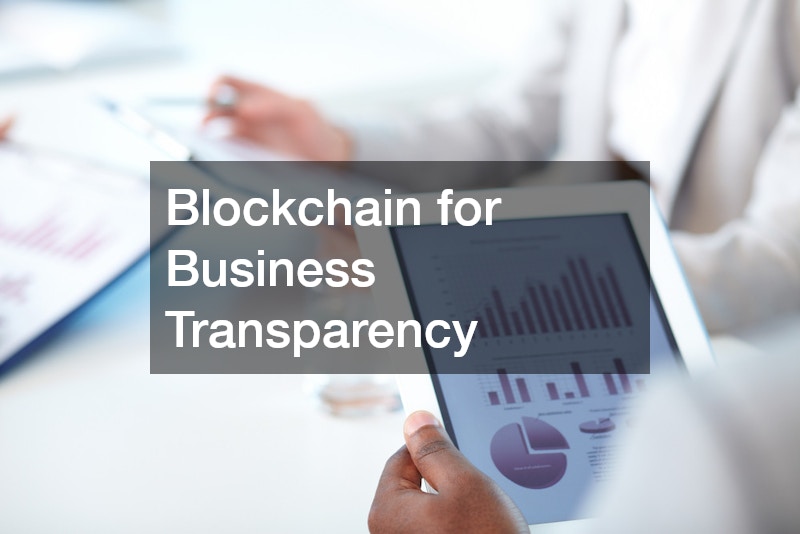
Blockchain technology is often associated with cryptocurrency, but its potential for improving transparency and trust extends far beyond finance. Blockchain offers a secure, decentralized ledger system that records transactions and data with complete accuracy and traceability. This makes it ideal for industries where product authenticity, supply chain verification, and data integrity are critical.
A wound care product company, for example, can use blockchain to verify the origin and quality of materials used in medical supplies. Each stage of the production and distribution process can be logged in a blockchain network, ensuring that products meet regulatory standards and that no step is overlooked. This level of traceability builds trust with both healthcare providers and patients.
Blockchain can also improve logistics, reduce fraud, and ensure accountability across complex supply chains. As businesses move toward transparency and ethical operations, blockchain technology will be a defining force in corporate integrity by 2027.
Digital Payment and Fintech Integration
The way businesses handle payments has changed dramatically in recent years. Digital payment systems and fintech integration are now essential for fast, secure, and flexible transactions. Whether through contactless payments, mobile apps, or online billing platforms, these technologies make it easier for businesses to serve customers while managing finances efficiently.
For commercial elevator service companies, adopting digital payment systems simplifies the billing process for both clients and technicians. Instead of waiting for paper invoices or mailed checks, customers can pay instantly through digital portals or mobile apps. Fintech platforms also allow for automatic billing, recurring payments, and integrated accounting, reducing administrative burdens and improving cash flow.
Looking ahead, fintech innovations will continue to shape how businesses handle transactions and credit management. From blockchain-based payments to digital wallets, the emphasis will be on speed, security, and convenience.
Remote Workforce Management Tools
The rise of remote and hybrid work has forever changed how businesses operate. Remote workforce management tools are essential for maintaining communication, productivity, and accountability in a distributed environment. These tools include time-tracking software, virtual meeting platforms, and performance management systems that keep employees connected and aligned.
For bail bond companies, remote workforce management is particularly valuable. Agents, administrators, and court liaisons often work in different locations and time zones. Using digital management systems, companies can coordinate schedules, monitor case progress, and share secure documents in real time. This not only increases efficiency but also improves responsiveness to clients who need assistance around the clock.
As more businesses adopt flexible work models, remote management technology will continue to evolve. Artificial intelligence, predictive analytics, and virtual collaboration tools will help companies maintain strong communication and performance standards, no matter where their teams are located.
Augmented and Virtual Reality Applications

Augmented reality (AR) and virtual reality (VR) are revolutionizing industries by creating immersive, interactive experiences for both employees and customers. These technologies have moved beyond entertainment — they’re now powerful tools for training, product visualization, and design.
A grader blade manufacturing company, for instance, can use AR and VR to train employees on assembly procedures without the need for physical materials. Customers can also use virtual demonstrations to see how different blade configurations perform in simulated environments. This not only enhances understanding but also reduces costs and risks associated with physical testing.
Beyond manufacturing, AR and VR are transforming marketing, real estate, healthcare, and retail. Businesses can now showcase products, provide hands-on virtual support, or conduct remote inspections — all within a digital environment. As hardware becomes more accessible and software more sophisticated, AR and VR will play a major role in shaping modern business strategies.
Conclusion
The ability to thrive in a changing marketplace depends on how well businesses turn new ideas into practical, measurable improvements. Investing in the right tools, strengthening digital security, refining internal processes, and adopting environmentally responsible practices can help organizations respond to challenges while making better use of their resources. However, lasting progress comes from choosing innovations that align with a company’s goals, budget, workforce capabilities, and customer needs rather than pursuing every emerging trend.
As technology and industry expectations continue to evolve, businesses must remain willing to reassess their strategies and explore new opportunities. A thoughtful combination of digital tools, employee expertise, efficient management, and customer-focused initiatives can create a stronger foundation for sustainable growth. By making innovation an ongoing priority instead of a one-time effort, companies can improve their competitiveness, build resilience, and prepare to seize opportunities in the years ahead.
About the Author