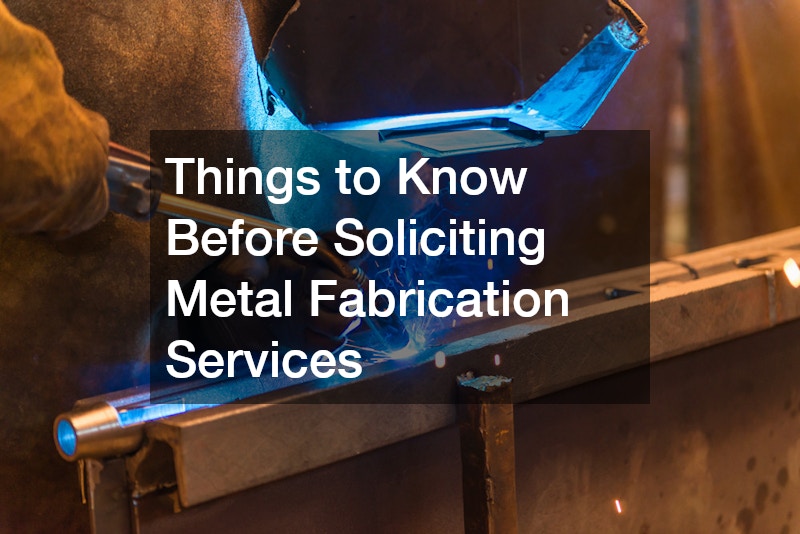
When considering a project that requires metal fabrication services, it’s crucial to be well-prepared and informed about the processes involved. Researching and understanding key aspects of metal fabrication can significantly influence the success of your project. In this article, we delve into the essential elements you should know before engaging with metal fabrication services.
Understanding Metal Fabrication Processes
Metal fabrication involves a wide array of techniques used to cut, shape, and assemble metal components into desired structures. Essential processes include cutting, bending, and assembling, each requiring specific tools and expertise. Cutting can be executed in numerous ways, such as using lasers, water jets, or shearing tools, depending on the precision needed and the type of metal. Bending involves deforming the metal to achieve specific angles or shapes, typically done using brake presses or rolling machines. Lastly, the assembling process can entail techniques like welding, riveting, or the use of adhesives to fuse different parts together.
Each step in metal fabrication demands a high level of skill and experience to ensure structural integrity and precision. For instance, the laser cutting technique allows for high accuracy and clean edges, reducing the need for post-process refinements. Choosing the appropriate fabrication process is essential, as it affects the quality, cost, and time needed for the project completion. Companies offering metal fabrication services often specialize in certain techniques, so understanding which process best suits your needs is vital. It is also essential to discuss the detailed specifications of your project with the fabricators to guarantee optimal outcomes.
Metal fabrication services encompass a diversity of applications across various industries, including automotive, construction, and aerospace. The versatility of these services makes them suitable for both industrial-scale projects and more refined, customized designs. When deciding on a service provider, ensuring they have the capability and experience in handling the type of project you are commissioning can make a significant difference. Moreover, engaging in discussions about previous projects or seeking portfolios can help you gauge the quality and reliability of the services offered. Knowing the intricacies of metal fabrication will better prepare you for any discussions with potential providers.
Choosing the Right Materials
The selection of materials is a crucial factor in any metal fabrication project, affecting both performance and cost. Different metals offer varying strengths, flexibilities, and resistances to environmental factors. For example, stainless steel is renowned for its corrosion resistance, while aluminum is favored for its lightweight properties. These characteristics should align with the functional requirements and demands of your specific project. Understanding the properties of materials can significantly impact the longevity and durability of the finished product.
It is imperative to consult with your fabricator regarding the most suitable materials for your project. Experienced fabricators can provide insightful recommendations based on their knowledge of industry standards and material performance. Moreover, certain projects may demand specialty metals or alloys to achieve desired results. Consulting industry specifications and conducting thorough research can help guide your material selection process. Moreover, some projects may necessitate conformance to specific industry standards, which should be discussed early in the planning stages.
Cost is another consideration when selecting materials, as more durable or specialty metals can significantly increase expenses. It is wise to balance performance requirements with budget constraints to arrive at a feasible solution. Collaborating with your metal fabrication service provider to explore alternative materials or innovative solutions may open avenues for cost savings. Be sure to compare quotes from different fabricators to evaluate the cost implications of your material choices effectively. Making informed decisions in selecting materials can help ensure a successful build that meets both functional and financial expectations.
Evaluating the Fabricator’s Capabilities
Assessing a fabricator’s capabilities is paramount before engaging in any contract. Look into their technological competence, which includes the machinery and technology they employ in their operations. Advanced technologies like CNC machines enable fabricators to produce components with high precision and repeatability. Evaluating the scale of operations the company can handle is crucial, especially for large-scale industrial projects. References from previous clients or a well-documented portfolio of projects can further provide reassurance about the quality of work and customer satisfaction.
Another indispensable factor is the fabricator’s adherence to quality standards and certifications. The presence of industry certifications can indicate competency and a commitment to maintaining quality. Verifying whether the fabricator complies with international standards such as ISO can greatly mitigate potential risks. Furthermore, craftsmanship and attention to detail are pivotal, particularly in projects requiring bespoke engineering solutions. Discussions about tooling and quality assurance tests employed by the fabricator can offer insights into their overall commitment to excellence.
Customer service and support should not be overlooked when evaluating metal fabrication services. A responsive and communicative fabricator can alleviate common concerns and ensure effective collaboration throughout the project lifecycle. Open lines of communication facilitate the exchange of ideas and prompt resolution of any issues that may arise. Additionally, a fabricator that offers post-fabrication support, such as installation or maintenance, can provide added value and convenience. Trust and collaboration with your service provider are essential for realizing a successful project completed to your exacting standards.
About the Author