Opening a restaurant involves far more than crafting a menu and hiring staff. While food quality and customer service are central to success, they depend heavily on the systems and services operating behind the scenes. From the physical condition of the building to the reliability of equipment and utilities, these operational elements influence everything from daily efficiency to customer safety and regulatory compliance.
Behind every successful launch is a network of essential services that support safety, compliance, efficiency, and long-term profitability. When these services are overlooked or delayed, small issues can quickly escalate into costly disruptions that impact opening timelines, staff training, and early customer experiences. New restaurant owners who plan for these needs early are better positioned to avoid failed inspections, emergency repairs, and unexpected expenses during the most critical stage of the business.
From building preparation to waste management and equipment logistics, thoughtful planning helps ensure a smoother transition from construction to operation. The following sections explore ten essential services that deserve careful consideration during the planning and opening phases of a restaurant business, offering practical insights to help owners build a strong operational foundation from day one.
Establish a Preventive Fire Safety and Ventilation Plan
A well-designed ventilation and fire prevention strategy is foundational to any commercial kitchen. Cooking generates heat, smoke, grease particles, and a variety of airborne contaminants that, if not properly managed, can accumulate quickly, increasing fire risk and degrading air quality for both staff and guests. Poor ventilation can also lead to excessive humidity, lingering odors, and uncomfortable working conditions, all of which can affect employee productivity and morale.
Professional restaurant hood cleaning services are essential in mitigating these hazards. By thoroughly removing grease buildup from exhaust hoods, ducts, and fans, these services address one of the most common causes of kitchen fires. Many local fire codes mandate documented cleaning on a set schedule, making it critical to establish this routine before opening day to ensure inspections proceed smoothly and reduce the likelihood of costly interruptions.
Beyond regulatory compliance, maintaining a clean ventilation system enhances kitchen efficiency and operational longevity. Proper airflow helps regulate temperature, prevent smoke and odors from spreading to dining areas, and create a more comfortable and safe workspace for employees. Kitchen operators who view hood maintenance as a proactive, long-term investment—rather than an occasional or reactive task—are better positioned to protect their property, safeguard staff, maintain consistent service quality, and preserve their brand reputation over time. Regular cleaning also extends the lifespan of ventilation equipment, reducing repair costs and downtime associated with neglected systems.
Safeguard the Building Against Moisture and Structural Damage
Moisture is a persistent threat in restaurant environments, particularly in kitchens, restrooms, basements, and storage areas. Steam, spills, leaks, and high humidity can quietly degrade building materials, promote mold growth, and damage equipment if left unaddressed.
Working with a qualified waterproofing company during build-out or renovation helps identify vulnerabilities before they become major issues. These professionals thoroughly assess foundations, walls, roofing, and drainage systems to ensure the space can withstand the unique demands of foodservice operations while maintaining compliance with local building codes.
Key benefits of proactive moisture protection include:
- Reduced risk of mold and mildew that can trigger health violations
- Protection for electrical systems and expensive kitchen equipment
- Improved longevity of flooring, walls, and storage areas
- Greater peace of mind during heavy-use periods and seasonal weather changes
- Fewer costly repairs and unexpected downtime over the life of the building
By investing in moisture control measures early, restaurant owners safeguard both their physical space and long-term operating budget, while supporting a healthier, safer environment for staff and customers alike.
Maintain Cleanliness and Compliance Through Reliable Waste Removal
Waste management is a visible and operationally critical component of restaurant success. Overflowing trash, lingering odors, or poorly managed disposal areas can quickly lead to customer complaints, pest issues, and failed health inspections. Establishing reliable waste removal practices from the outset helps maintain cleanliness, professionalism, and a safe environment throughout the facility.
Trash pickup services are specifically designed to meet the volume and frequency demands of foodservice businesses. Unlike residential waste removal, commercial trash pickup services account for food waste, packaging materials, and high turnover during peak hours. Selecting the right container size, coordinating an appropriate pickup schedule, and planning for seasonal fluctuations ensures that trash never interferes with daily operations or creates safety hazards.
Effective waste management also supports employee efficiency and morale. When disposal areas are clean, organized, and easily accessible, staff can focus on service and food preparation rather than managing clutter or navigating blocked workspaces. Over time, consistent waste removal reinforces a culture of cleanliness that extends from the kitchen to the dining room, storage areas, and outdoor spaces, contributing to overall operational excellence and customer satisfaction.
Protect Plumbing Systems With Routine Waste Management
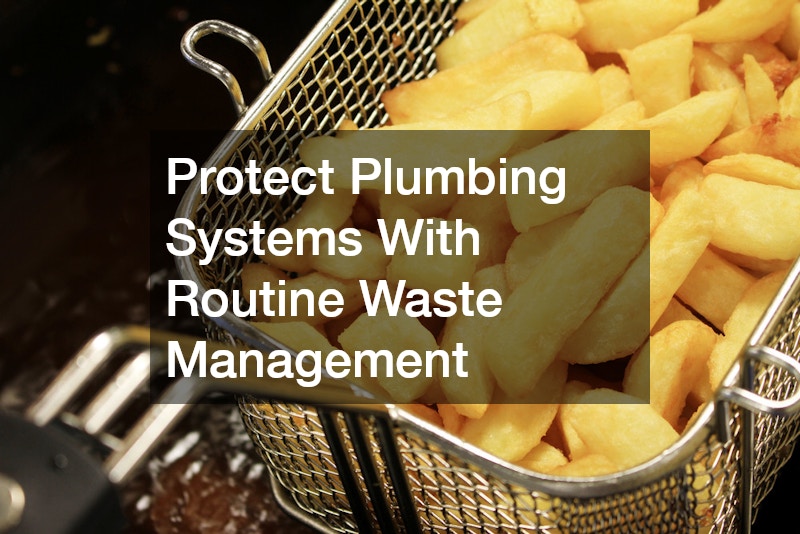
Restaurant plumbing systems are under constant strain from grease, food particles, and high water usage. Without proper maintenance, blockages and backups can occur with little warning, leading to service interruptions, costly repairs, and potential health code violations.
Grease trap cleaning is one of the most important services for protecting plumbing infrastructure. Grease traps are designed to capture fats, oils, and grease before they enter the sewer system, but they must be emptied and maintained on a consistent schedule to remain effective.
Routine plumbing protection offers several advantages:
- Reduced risk of emergency shutdowns due to backups or overflows
- Compliance with local wastewater regulations
- Lower long-term repair and replacement costs
- Improved kitchen sanitation and odor control
By planning for regular maintenance rather than waiting for problems to arise, restaurant owners can avoid disruptions that negatively impact both revenue and customer trust.
Plan for Wastewater Needs in Non-Municipal Locations
Not all restaurant locations connect to municipal sewer systems. In rural areas or standalone properties, wastewater management often relies on private systems that require specialized care, careful oversight, and ongoing monitoring. Failing to account for these needs during planning can lead to serious operational challenges, including unexpected shutdowns or costly repairs.
Septic maintenance is essential for restaurants that depend on private wastewater systems. Foodservice operations generate significantly higher volumes of waste than residential properties, which means septic systems must be inspected and serviced more frequently to maintain proper function. Skipping or delaying regular septic pumping increases the risk of system failure, unpleasant odors, health hazards, and broader environmental concerns.
Understanding local regulations is also critical. Many jurisdictions require documented service records for private systems, and noncompliance can result in fines, mandated corrective actions, or even forced closures. By incorporating comprehensive wastewater planning into the opening strategy, restaurant owners can ensure their location remains compliant, fully operational, environmentally responsible, and prepared to handle peak demand periods efficiently.
Invest in Durable, Sanitation-Friendly Flooring Solutions
Restaurant floors endure constant stress from foot traffic, heavy equipment, spills, and frequent cleaning. Choosing the wrong flooring material can lead to cracks, stains, and safety hazards that are costly to repair and challenging to manage once the restaurant is operational.
Floor coatings for commercial spaces are specifically designed to meet the rigorous demands of foodservice environments. These commercial floor coatings create seamless, nonporous surfaces that resist moisture, grease, and bacteria while providing reliable slip resistance to protect employees and maintain a safer workspace.
Key advantages of professional flooring solutions include:
- Easier cleaning and improved sanitation standards
- Enhanced durability under heavy use
- Reduced slip-and-fall risks for staff
- Longer replacement cycles compared to standard materials
- Improved resistance to staining and chemical damage, preserving appearance over time
Coordinating flooring installation before major equipment arrives helps ensure a clean, professional finish and avoids disruptions during the final stages of opening.
Design Storage and Prep Areas for Efficiency and Compliance
Minimize Downtime With Proactive Cold Storage Support
Refrigeration failures are among the most disruptive events a restaurant can experience. A malfunctioning cooler can lead to food spoilage, safety violations, and unexpected closures if not addressed quickly and effectively.
Planning ahead for walk-in cooler repairs allows restaurant owners to respond swiftly when issues arise. Establishing a relationship with a qualified service provider before opening ensures faster response times and more predictable maintenance costs.
Proactive cold storage planning offers several benefits:
- Reduced food loss during equipment failures
- Improved compliance with food safety regulations
- Extended lifespan of refrigeration equipment
- Greater operational confidence during peak business hours
Rather than reacting to emergencies, successful restaurant operators treat refrigeration maintenance as a core component of risk management.
Preserve Capital With Flexible Equipment Solutions
Outfitting a restaurant with professional-grade equipment requires a significant financial investment, often representing one of the largest upfront expenses during the opening phase. For new owners, preserving cash flow at this stage can be critical to long-term survival, particularly as staffing costs, marketing expenses, and inventory purchases add pressure before revenue stabilizes.
Equipment rental provides flexibility by allowing businesses to access necessary tools without committing to full purchase costs upfront. This approach is especially valuable for specialized equipment that may only be needed for specific menu items, limited-time offerings, or seasonal demand fluctuations during the launch period.
Renting equipment also offers the opportunity to test layouts and workflows before making permanent investments. Owners can assess how equipment fits within the kitchen design, how staff interact with it during service, and whether capacity meets actual demand. By evaluating performance under real operating conditions, restaurant owners can make more informed purchasing decisions, avoid costly mistakes, and protect their initial capital as the business gains momentum.
Coordinate Logistics to Avoid Costly Delays

The logistics of opening a restaurant involve moving heavy equipment, furniture, and supplies into a space that is often under tight construction timelines. Poor coordination during this phase can result in damaged assets, missed deadlines, and unnecessary stress.
Hiring a local moving company with experience in commercial projects helps ensure equipment is transported and installed safely. These professionals understand how to navigate tight spaces, protect finished surfaces, and align deliveries with build-out schedules.
Effective logistics planning delivers several advantages:
- Reduced risk of damage to expensive equipment
- Faster setup and installation timelines
- Better coordination with contractors and inspectors
- Smoother transition from construction to operation
By treating logistics as a strategic component of the opening process, restaurant owners can avoid delays that impact training, inspections, and opening day readiness.
Launching a restaurant successfully requires more than culinary talent and marketing strategy. Behind the scenes, essential services support safety, compliance, efficiency, and long-term sustainability in ways that are not always visible to guests but are critical to business performance.
By identifying and securing these service partnerships early, restaurant owners reduce risk and avoid many of the costly surprises that can arise during inspections, peak service periods, or unexpected equipment failures. Proactive planning also allows owners to budget more accurately, coordinate timelines with contractors, and establish clear expectations with vendors before operations begin. This level of preparation helps protect the initial investment and reduces the likelihood of emergency expenses during the critical early months of operation.
Careful planning during the opening phase pays dividends long after the first customers walk through the door. Restaurants that prioritize infrastructure and support services from the start are better positioned to scale, adapt, and maintain consistent standards as the business grows.
About the Author