
Starting a construction project is a massive undertaking that requires more than just a blueprint and a budget. Whether you are planning a sleek commercial office featuring custom building facades or a high-end residential renovation, the success of your build depends entirely on the people you hire. The industry is filled with different types of professionals, from the general contractor to the highly specialized local roofing contractors.
Understanding who does what is the first step toward a stress-free project. If you hire the wrong type of professional for a specific task, you risk delays, budget overruns, and subpar results. This guide breaks down the key players in the industry, explaining their roles and how they work together to bring a vision to life.
In addition to general contractors and roofing specialists, you will encounter architects, who design the building and ensure it meets zoning laws and codes. Engineers may also be involved, focusing on structural integrity, electrical systems, and plumbing layouts. Subcontractors are another essential component, providing specific services like drywall installation or landscaping.
Effective communication and collaboration among all these professionals are crucial. Regular project meetings can help identify potential challenges early and keep everyone aligned with project timelines and goals. Ultimately, building a solid team with the right skill sets will pave the way for a successful construction project, ensuring that the final result aligns with your vision and expectations.
The Visionary: The General Contractor
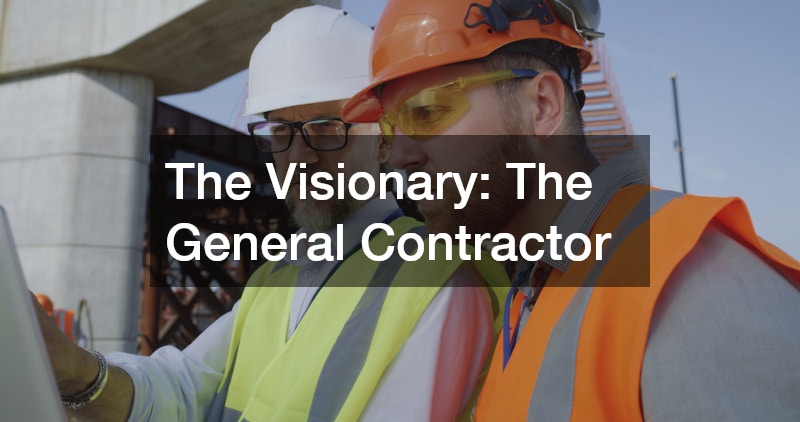
In addition to managing the broad responsibilities of a construction project, a general contractor acts as a critical liaison between all parties involved. They foster communication among subcontractors, suppliers, and the client, ensuring that everyone remains aligned with the project’s goals and timeline. This open line of communication helps to mitigate misunderstandings that could lead to costly delays or disputes.
Moreover, a general contractor is skilled at budgeting and cost control. They prepare detailed estimates and monitor expenditures throughout the project, allowing them to identify potential cost overruns early and implement corrective measures. This financial oversight not only protects the client’s investment but also contributes to the project’s overall efficiency.
Another key role of the general contractor is problem-solving. Construction projects are inherently unpredictable, and challenges can arise at any stage. Whether it’s a change in design, unexpected site conditions, or supply chain issues, a general contractor uses their experience and expertise to devise solutions that keep the project on track.
Furthermore, general contractors play an important role in ensuring quality control. They conduct regular inspections to maintain high standards and compliance with building codes. This attention to detail ultimately leads to a finished product that meets client expectations and enhances the overall value of the property.
The Specialists: Construction Contractors

While the lead manager handles the big picture, construction contractors handle the technical execution. These are the experts in specific trades. For example, if your architectural design calls for intricate custom building facades, a generalist will not suffice. You need a contractor who understands the physics and materials required for high-end exterior finishes.
The relationship between the main construction company and these specialists is the backbone of the industry. These crews focus on one thing and do it exceptionally well. Whether it is framing, electrical, or plumbing, these experts provide the labor and technical skill that makes the building functional and safe. When a general contractor hires these specialists, they are essentially assembling a dream team of experts for your specific project needs.
The Importance of Roofing Specialists
One of the most critical hires in any build involves roofing contractors. The roof is your building’s first line of defense against the elements. If the roof fails, everything else inside the building—the electrical, the flooring, and the structural framing—is at risk. While a large national construction company might have a broad reach, many owners prefer working with local roofing contractors.
Local pros understand the specific weather patterns of your area. They know which materials hold up best against heavy snow loads or extreme coastal humidity. They are also familiar with local building codes that might differ from state to state. By hiring roofing contractors who live and work in your community, you are often getting a higher level of accountability and a quicker response time for future maintenance.
Managing the Job Site: Equipment and Logistics

Even the best team is useless without the right tools. This is where the logistics side of the industry comes into play. Most projects require heavy-duty construction equipment, such as excavators, cranes, and skid steers. However, not every construction company owns every piece of machinery. In fact, many choose to partner with a construction equipment rental company.
This allows the team to use the latest technology without the massive overhead of maintenance and storage. If a project requires a very specific lift for installing custom building facades, renting is often the most cost-effective path. It ensures that the project has the exact tool for the job at hand without inflating the overall project budget.
Site management also extends to cleanliness and safety. Every major project needs a reliable dumpster rental service. Without a plan for debris, a job site quickly becomes a hazard. A professional dumpster rental service ensures that waste is hauled away promptly, keeping the workflow moving and preventing accidents. It is a simple but vital part of the construction ecosystem.
Sustainability and Modern Materials
Modern construction is becoming more eco-conscious. One way teams are reducing their carbon footprint is by partnering with a crushed asphalt recycling company. Instead of paying for all-new materials for a driveway or parking lot, a general contractor can source recycled asphalt. It is durable, looks professional, and keeps old road waste out of landfills.
This approach is increasingly popular among construction contractors who want to provide high-quality results while remaining environmentally responsible. Using materials from a crushed asphalt recycling company often results in significant cost savings, which can then be reapplied to other areas of the build, such as high-end interior finishes or better construction equipment for more technical tasks.
The Role of Technology in Team Coordination
In the modern era, a general contractor uses more than just a hammer and nails; they use sophisticated software to track progress. This technology allows them to monitor the schedules of various construction contractors in real-time. When the roofing contractors finish their phase, the interior crews are notified immediately to start their work. This seamless handoff is what separates a professional construction company from a disorganized one.
Furthermore, advanced construction equipment now often comes with GPS and telematics. This data helps a construction equipment rental company ensure its machines are operating efficiently and safely. When all these pieces work together, the project stays on track, and the client stays happy.
Long-Term Maintenance and Aftercare
The relationship with your build team should not end the moment the keys are handed over. A reputable construction company will offer warranties and maintenance schedules. This is particularly important for specialized areas. You should have a standing relationship with local roofing contractors to inspect the roof after major storms.
Similarly, the materials used in custom building facades may require specific cleaning or sealing over time to maintain their appearance. Knowing which construction contractors performed the original work makes future repairs much easier. They know exactly what is behind the walls or under the shingles, allowing them to fix issues faster than a new hire would.
The Importance of Project Management in Construction
Effective project management is the backbone of any successful construction endeavor. This structured approach not only ensures that projects are completed on time and within budget, but it also plays a vital role in maintaining quality standards and adhering to safety regulations. In the realm of construction, the responsibilities of a general contractor extend far beyond simple oversight; they encompass a wide array of project management principles that ultimately shape the success of the project.
One of the primary components of project management is the development of a comprehensive project plan. A seasoned general contractor begins by gathering detailed information about the project requirements, budget constraints, and timelines. This planning phase involves coordinating with architects, engineers, and other key stakeholders to outline the project scope clearly. By meticulously defining the scope, the contractor helps to prevent scope creep, a common pitfall where additional features or changes are requested after the project has begun, potentially derailing timelines and budgets.
Scheduling is another crucial aspect of project management. A general contractor develops a detailed timeline that outlines when different phases of the project should start and finish. This schedule not only includes the work of various subcontractors but also considers the availability of materials and equipment. Utilizing project management software can enhance this process, allowing for real-time updates and adjustments to the schedule as needed. Regularly revising timelines based on progress and bottlenecks ensures that the project stays on track.
Risk management is inherent in construction projects. A general contractor conducts a risk assessment early in the planning process, identifying potential hazards that could impact the project timeline, costs, or safety. By acknowledging these risks, they can develop mitigation strategies. For instance, if weather conditions pose a threat to outdoor work, the contractor might plan for flexible scheduling or implement safety measures to protect workers. This proactive approach not only safeguards the project but also instills confidence in clients and stakeholders.
In addition to scheduling and risk management, the general contractor’s role includes financial oversight. A well-managed project includes a clear budget that outlines costs associated with labor, materials, and permits. The general contractor is responsible for ensuring that expenditures align with this budget. Regular financial reviews will help identify areas where costs might be escalating and allow for adjustments. This financial diligence is crucial, as it directly correlates with the project’s profitability and the ability to meet client expectations.
Communication is perhaps the most critical element in successful project management. The general contractor serves as the central point of contact, facilitating communication between clients, subcontractors, and suppliers. Regular meetings with stakeholders ensure that everyone is informed about progress, upcoming milestones, and any issues that may arise. By fostering an open environment where concerns and suggestions can be voiced, the contractor can address problems promptly and maintain morale on the job site.
Moreover, quality control is an indispensable part of project management. A general contractor implements quality assurance practices to ensure that all work meets specific standards and complies with local building codes. This oversight involves conducting regular inspections, setting benchmarks, and coordinating with subcontractors to align their work with project specifications. By prioritizing quality, the general contractor not only enhances the end product but also minimizes the risk of costly rework, which can delay project completion and exceed budgets.
Lastly, continuous improvement is a principle that general contractors can adopt to elevate their project management practices. After project completion, reviewing performance metrics and gathering feedback from all stakeholders can provide valuable insights. This reflective process helps contractors identify successes and areas for improvement, contributing to their development and enhancing the quality of future projects.
In summary, effective project management is essential in the construction industry, with the general contractor playing a pivotal role in orchestrating every phase of the process. From initial planning to execution and completion, their multifaceted responsibilities—ranging from scheduling and risk management to communication and quality control—are vital in delivering projects that meet or exceed client expectations. By embracing best practices in project management, general contractors can ensure the reliability and success of their projects, thereby laying the groundwork for long-term relationships with clients and stakeholders in the industry.
Final Thoughts on Building Your Team

When selecting a build team, it’s equally important to consider communication and collaboration among the various professionals involved. An effective general contractor not only orchestrates the workflow but also acts as the main point of contact among architects, subcontractors, and suppliers. Ensure your contractor facilitates regular meetings to address potential issues, synchronize schedules, and keep everyone on the same page throughout the project. Open lines of communication can prevent misunderstandings and delays, ultimately saving time and money.
In addition, keep an eye out for contractors who embrace modern technology and project management tools. Utilizing software that tracks progress, budgets, and timelines can enhance transparency and accountability. This approach allows for real-time updates and enables quick decision-making, which is crucial when unforeseen challenges arise.
Building relationships with subcontractors is invaluable, especially when it comes to safety practices and compliance with local regulations. A trustworthy team will prioritize the safety of their workers and the site, reducing the risk of delays due to accidents or legal issues.
Finally, don’t underestimate the importance of reviewing past projects and client referrals. Understanding how a contractor has navigated challenges in previous builds can provide insight into their reliability and problem-solving capabilities, further ensuring you choose the right team for your construction journey.
About the Author