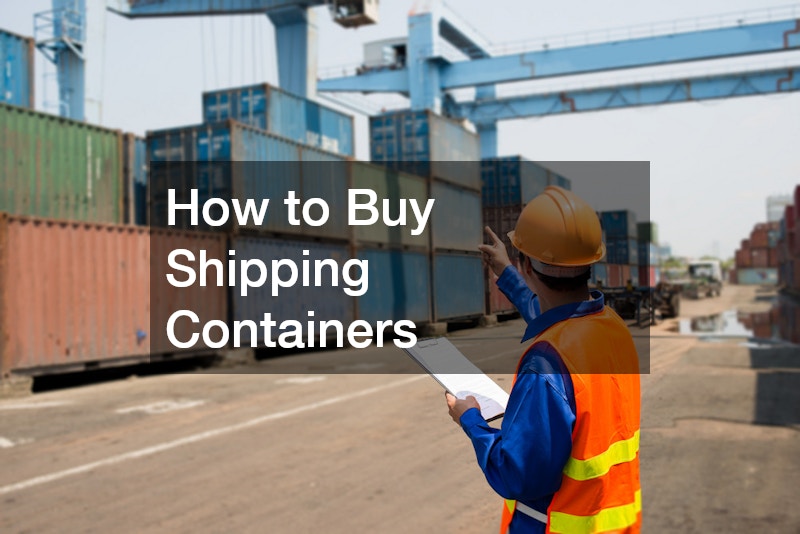
Shipping containers are crucial components of the global supply chain, facilitating the movement of goods across oceans and continents. These robust steel boxes come in standard sizes, with the most common being the 20-foot and 40-foot containers. Understanding the terminology and specifications related to these containers helps you determine which type best suits your needs. Learning about various container types, such as dry, refrigerated, or high cube containers, further aides in making informed purchasing decisions.
Conducting thorough research on the basics is a fundamental step in your purchasing journey.
The standardization of shipping containers has simplified international trade, as containers can be easily transferred across ships, trains, and trucks. This intermodal capability reduces transportation costs and enhances efficiency. For those looking to buy shipping containers, understanding how their dimensions and specifications relate to your intended use is essential. Some people even repurpose shipping containers into homes or storage units, showing their versatility beyond shipping. When entering the market, familiarizing yourself with these details ensures you’re making a well-informed purchase.
A critical aspect of buying shipping containers is knowing the market’s terminology. Terms like TEU (Twenty-foot Equivalent Unit) describe the capacity of container ships and terminals, directly impacting supply and demand dynamics. Knowing the types of containers and their specific uses helps you determine what to look for based on your requirements. For instance, if you require temperature control for perishable goods, a refrigerated container is necessary. With this foundational understanding, you are ready to delve deeper into the buying process.
Determining Your Specific Needs
Before purchasing a shipping container, it’s essential to determine your specific needs. Consider factors such as the purpose of the container, whether for shipping, storage, or conversion into a living space. Understand the environmental conditions the container will face, as certain uses may require modifications like insulation or ventilation. Establishing these criteria upfront not only simplifies the selection process but also narrows down your choices to the most suitable options. Evaluating your particular needs ensures you invest wisely in a container that offers the most value.
Assessing the intended use of your shipping container is critical as it directly influences the type and specification required. If you need a container for dry storage, standard models suffices; however, specialized uses might demand enhanced features. For example, containers intended for residential purposes often require customization for comfort and usability. These adaptations could include window installations, electrical wiring, or plumbing for added convenience. By outlining your needs, you align your purchase with specific container characteristics.
Budget is another key consideration when determining your needs. Shipping container costs vary based on size, condition, and type, influencing your purchase decision. New containers, though more expensive, offer a longer lifespan, whereas used ones provide a cost-effective alternative. Additionally, consider logistical costs such as transportation and site preparation. Prioritizing your needs and establishing a clear budget ensures that your investment in a shipping container is optimized for your intended application.
Exploring Available Options and Suppliers
Once you have defined your needs, begin exploring available options and potential suppliers. The market offers a range of new and used containers from which to choose, each differing in features and price. New containers guarantee quality and compliance with the latest industry standards, providing peace of mind with extended warranties. Meanwhile, purchasing used containers might require more scrutiny regarding their condition and history. Examine options in terms of cost, condition, and additional services like delivery and modification.
Reputable suppliers often offer additional resources, such as customization options, to help tailor containers to specific uses. Some suppliers have in-house teams capable of making modifications, which simplifies the process for buyers requiring custom features. When selecting a supplier, look for reviews and references to evaluate their reliability and quality of service. Engage with suppliers willing to discuss your needs in detail to ensure they can deliver on your expectations. Building a relationship with a trusted supplier ensures long-term satisfaction with your purchase.
Online marketplaces, local dealers, and auctions present diverse sourcing opportunities for shipping containers. Each sourcing method has perks, such as the convenience of online marketplaces or the immediate availability at local dealerships. Auctions may provide competitive prices for bulk purchases, making it a viable option for large-scale buyers. Regardless of where you choose to purchase, due diligence is crucial. Verifying the legitimacy and reputation of the marketplace or dealer helps avoid potential scams or subpar containers.
Inspecting and Purchasing Your Shipping Container
Inspecting a shipping container before purchasing is vital to ensure it meets your quality standards and requirements. Perform a thorough check for any visible signs of damage, such as rust, dents, or structural weaknesses. Confirm that doors and seals are in working condition to prevent future issues related to weatherproofing and security. If possible, engage a professional to conduct the inspection, guaranteeing a comprehensive assessment of the container’s condition. This due diligence helps secure a product that aligns with your expectations and intended use.
Once the inspection is complete and you’re satisfied with the container’s condition, negotiate purchase terms with the supplier. Price negotiations might hinge on factors such as the container’s age, condition, and additional features or modifications. Clarifying delivery terms and responsibilities ensures no misunderstandings arise during the transaction. Many suppliers offer flexible terms, enabling payment plans or intermodal transportation solutions tailored to your circumstances. Solidifying these aspects facilitates a smooth purchasing process, reflecting positively on your investment.
Finalizing your purchase involves managing logistical elements such as transportation and site preparation. Coordinate with suppliers to schedule delivery, considering factors like accessibility and local regulations. Proper site preparation ensures the container is set on a level surface, minimizing potential long-term wear and corrosion. Ascertain that all necessary documents, including ownership titles, are completed to legitimize your acquisition fully. Completing these steps assures that your transition into owning a shipping container is efficient and compliant with all necessary legal frameworks.

About the Author